





About Fearghal Fitzgibbon
Fearghal is a writer from the west of Ireland. He holds a BA in English and History from University of Limerick as well as a Master in Education from Hibernia College. His areas of special interest include 16th- and 17th-century Europe and the Cold War. Aside from writing, he enjoys languages, mountaineering, and reading.
Education
MA Education
Hibernia College, 2019
BA English and History
University of Limerick, 2014
Areas of Expertise
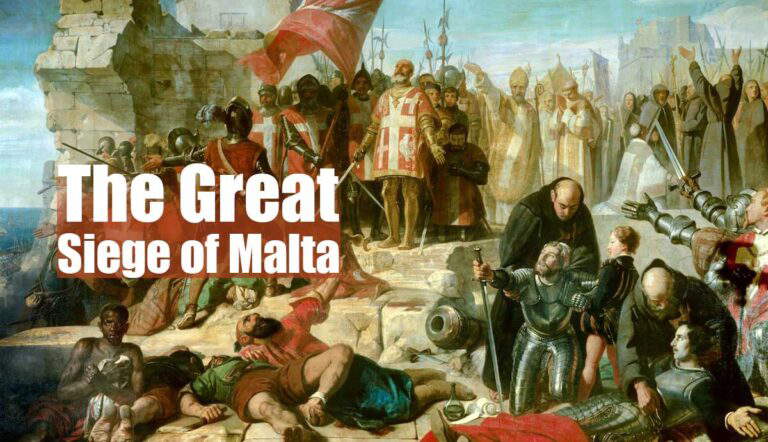
How 6000 Defenders Held Malta Against a Vast Ottoman Army
The Great Siege of Malta saw 6000 defenders halt Ottoman forces in a brutal test of strategy faith and endurance.
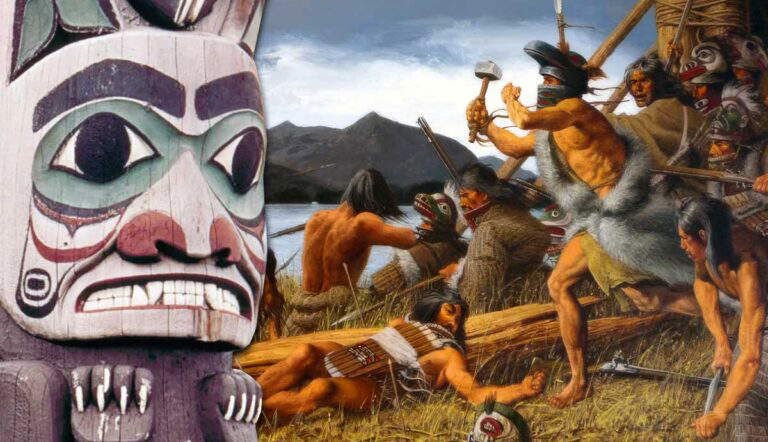
How Did the Tlingit Resist Russian Expansion in Alaska?
The Tlingit resisted Russian expansion through fortified defense, surprise attacks, strategic withdrawal, economic blockade, alliance-building, and persistent refusal to surrender control of their ancestral homelands.
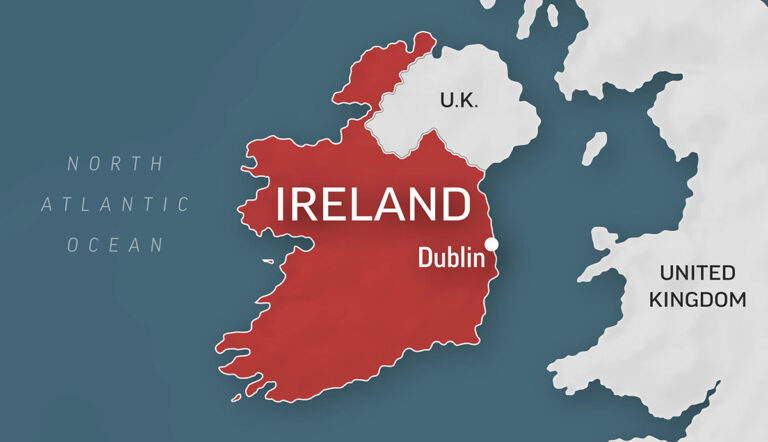
The Bloody Truce That Split Ireland in Two
In December 1921, Michael Collins signed the Anglo-Irish Treaty, ending British rule across 26 counties while triggering partition and a civil war.
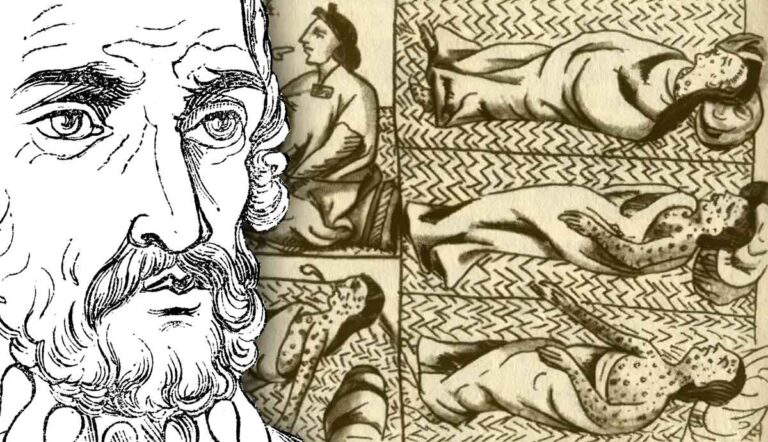
How Cortés Defeated the Aztecs and Why It Wasn’t Just Firearms
Cortés's conquest of the Aztec Empire resulted from indigenous alliances, disease, political fracture, and diplomacy, rather than from superior European firearms and weaponry.
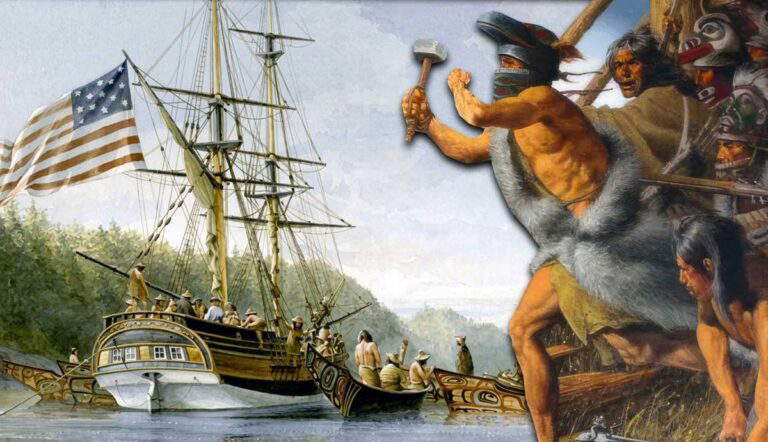
The Coastal Peoples of Tlingit and Haida Who Fought for Control of the Pacific Northwest
The Tlingit and Haida built powerful maritime societies where the sea shaped warfare, trade, and status, allowing coastal peoples to project influence across vast distances.

How Rogers’ Rangers Became the Elite Unit That Changed American Warfare
Formed in 1755 by Major Robert Rogers, Rogers' Rangers blended Indigenous guerrilla tactics with British military structure to transform modern light infantry.

Irish War of Independence vs Irish Civil War: What’s the Difference?
The Irish War of Independence and Irish Civil War were separate conflicts with different goals, factions, and outcomes. Understanding their differences helps clarify Ireland’s revolutionary era.

How the Thirty Years’ War Ravaged Europe and Gave Birth to Modern States
The Thirty Years’ War devastated Central Europe, transformed warfare, and reshaped politics. The ensuing peace agreement paved the way for modern nation-states.

The Irishmen in Mexican Uniform Who Fought Against the US During the Mexican-American War
The Saint Patrick’s Battalion was a unit of Irish-led deserters from the US Army who deserted to the enemy during the Mexican-American War.

The Fearless Gallowglasses Who Ruled Irish Battlefields for 400 Years
Gallowglasses were elite Norse-Gaelic mercenary warriors who shaped Irish warfare from the 13th to 17th centuries, serving as feared and disciplined heavy infantry for Gaelic lordships.

How a United European Fleet Crushed the Ottomans at the Battle of Lepanto
The Battle of Lepanto was the last great galley battle, ending Ottoman naval supremacy in the Mediterranean and marking a turning point in early modern naval warfare.

When Europe United to Stop the Ottomans at Vienna in 1683
Defeat at the gates of Vienna in 1683 marked the beginning of the end for the Ottoman Empire.