





Thea Baldrick
Member since Nov 06, 2021
Thea Baldrick
@thea-baldrick
About Thea Baldrick
D. Thea is a contributing science writer with a B.S. Biology with a Concentration in Molecular and Cellular Biology and a B.A. Comparative Literature from the University of Cincinnati. For fun, she spends time inhabiting the world of dinosaurs with family members. She prefers to be the Brachiosaurus.
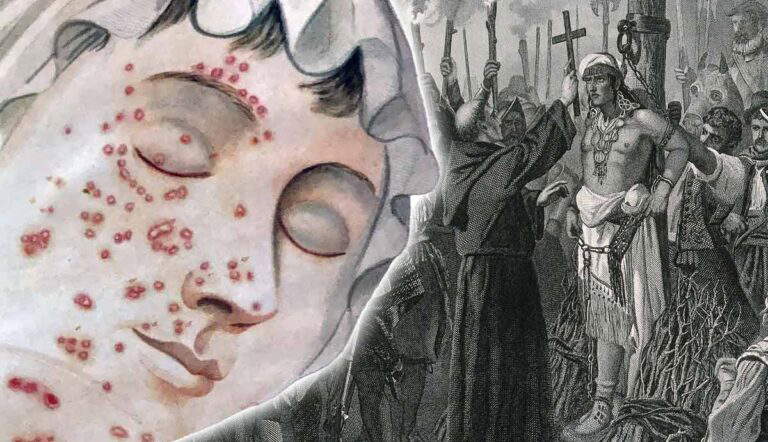
How an Invisible Enemy Toppled Empires and Won the Conquest for the Spanish
Smallpox decimated New World empires in the 16th century, killing millions, triggering political crises, and facilitating Spanish conquest across the Americas.

Irish Potato Famine: An Era of Starvation & Disease
The Irish Potato Famine was a disaster of unprecedented proportions. From 1845 to 1849, a minimum of one million people died.

4 Most Notable Writers of the Confessional Movement
The confessional movement, led by the poets W.D. Snodgrass, Robert Lowell, Anne Sexton, and Sylvia Plath, began in April 1959. Its influence on current culture is immeasurable.

On the Origin of Species: Why Did Charles Darwin Write It?
Charles Darwin was well aware that both he and his family would be lambasted because of On the Origin of Species; so what drove him to write it at all?

Anne Sexton’s Fairy Tale Poems & their Brothers Grimm Counterparts
Despite being laced with magical elements, Anne Sexton’s fairy tale poems create a world not so very different from our own.

Anne Sexton: Inside Her Poetry
Anne Sexton’s work is intensely personal poetry, rich with shocking imagery, deep, eerie melancholia, and constant, insistent explorations into language and life.

Anne Sexton: Her Life Outside Poetry
As a leading woman in the confessional movement, Anne Sexton’s poetry connected to many people, but running parallel to her art was a life fraught with constant threats of disconnection.

DNA Analysis Reveals How Royal Incest and Malaria Destroyed King Tutankhamun
Modern DNA analysis and CT scans of Pharaoh Tutankhamun (1334–1325 BC) reveal how royal incest, congenital disabilities, and malaria ended his dynasty.

The Surprisingly Advanced Medicine of Ancient Egypt
The advanced medicine of ancient Egypt included effective wound care, contraceptives, more drugs than a modern pharmacy, accurate diagnoses of heart disease, and more.

Did a Salmonella Outbreak Slaughter the Aztecs in 1545?
Ancient DNA may reveal the source of the devastating epidemic that destroyed the indigenous peoples of Mexico – a salmonella outbreak.

Could Akhenaten’s Monotheism Have Been Due to the Plague in Egypt?
Mounting evidence suggests that the plague may have initiated Akhenaten’s conversion to monotheism when he became pharaoh of Egypt in 1341 BCE.

Hittite Royal Prayers: A Hittite King Prays to Stop the Plague
In an effort to stem the plague sweeping through his land, Mursili II, king of the Hittites, issued a series of wrenching prayers to an apparently deaf pantheon of gods.