
Spain was once the greatest imperial power on Earth. Ruled by King Philip II, the empire included nearly all of the Americas and the provinces of the Netherlands. It also had one of the largest navies in the known world. That all changed when the Spanish Armada attempted to invade England in 1588. The event set off a chain of reactions that destroyed Spain’s image of invincibility, causing Europe’s power balance to shift.
The Bitter Rivalry That Pushed Spain and England to War
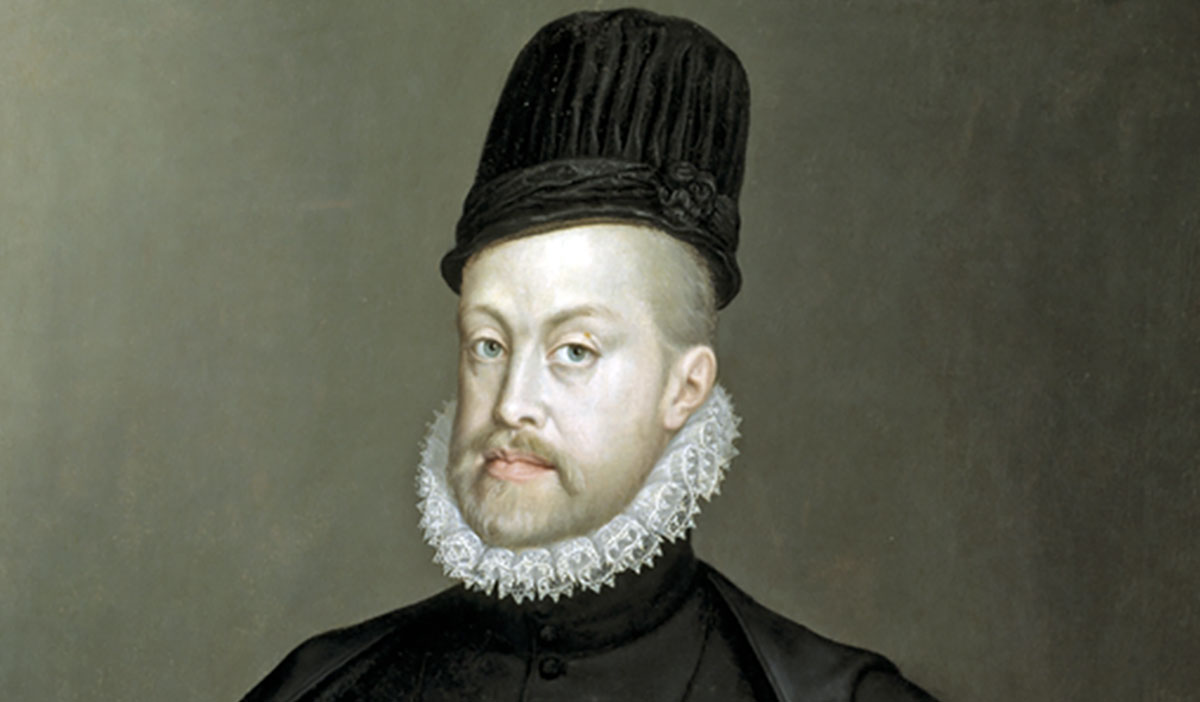
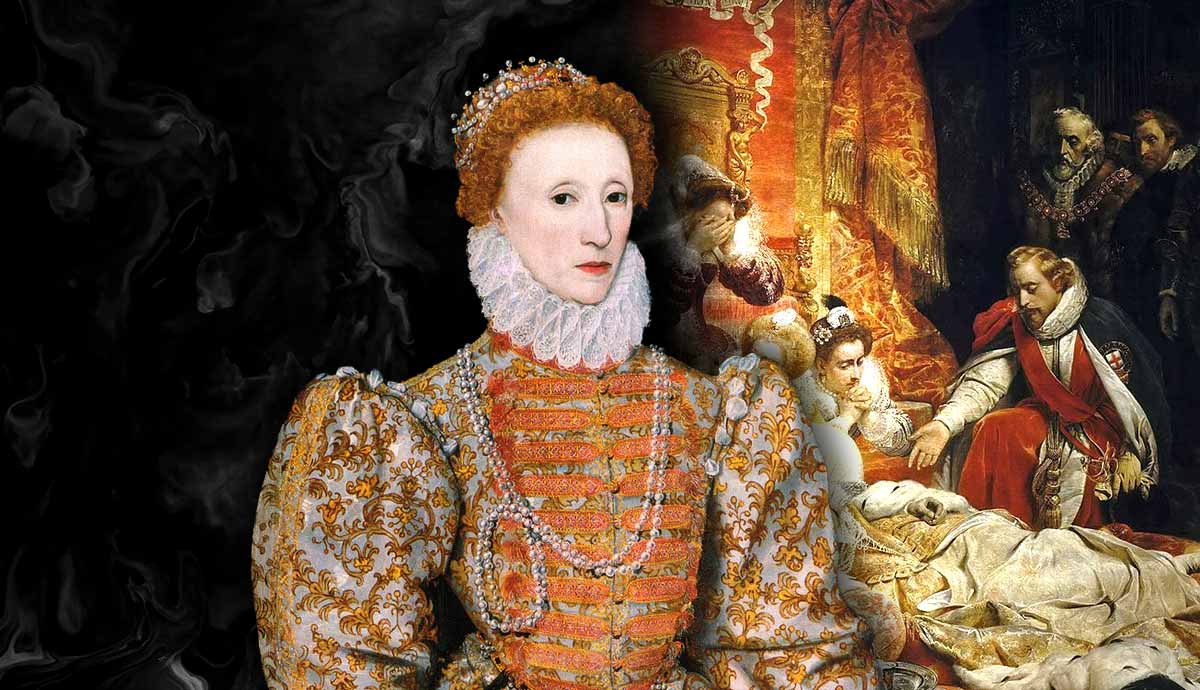
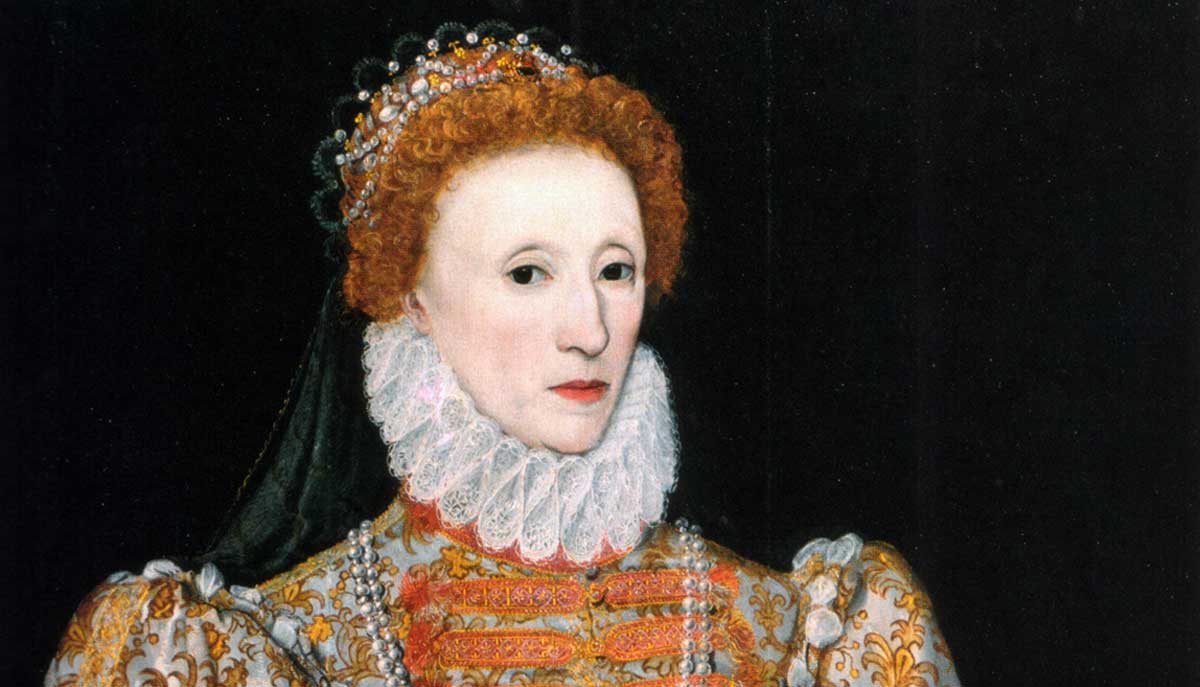
Religious passions combined with international power politics had created the geopolitical rivalry between the two nations. By the 1580s, for example, England had firmly established itself as a Protestant nation. Queen Elizabeth I had already finalized the English Reformation and severed religious ties with the Catholic Church and Rome in 1559. The move had alienated King Philip II of Spain, who considered himself the guardian of Catholic Christendom. He regarded Elizabeth’s actions as an unforgivable heresy.
Besides this, a fierce economic war was brewing at sea. English privateers like Sir Francis Drake had been attacking and plundering Spanish treasure ships for decades. The ships transported riches extracted from conquered lands in the Americas to Spain. While Philip II considered the attacks to be outright piracy, the English crown profited from the loot to help supplement its own navy. Philip II finally found a reason to invade England when Elizabeth I executed her Catholic cousin, Mary Queen of Scots, in 1587. In an attempt to overthrow the Protestant Queen Elizabeth I and restore the Roman Catholic Church in England, he decided to use his most formidable weapon, the Spanish Armada, to exact revenge on England. However, Philip II underestimated the logistical challenge of coordinating such an invasion and the two parts of this plan were never properly coordinated.
The Terrifying Force Behind Europe’s Most Feared Navy
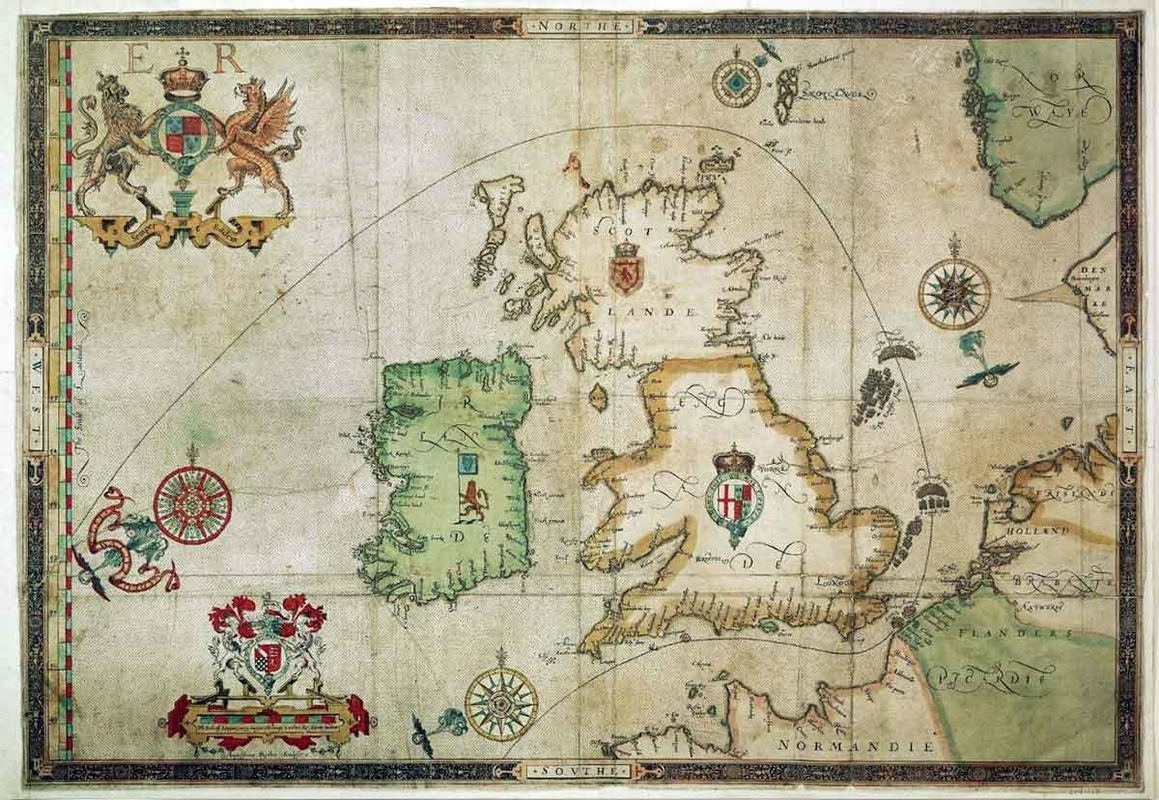
The Spanish Armada was massive. Over 130 ships transported nearly 8,000 seamen and almost 19,000 soldiers. Despite its massive size, the Spanish strategy was complex. To launch the attack, the plan required ships to sail up the English Channel, where they would meet an army of veteran soldiers belonging to the Duke of Parma waiting for them in the Netherlands. The combined forces would then invade England.
In terms of naval warfare, the Spanish were behind the times. Spain’s powerful navy had always focused on boarding and grappling enemy ships with an aim to engage in hand-to-hand combat. It was naval tradition for two ships to pull alongside each other and for hundreds of soldiers to fight it out. Recognizing that this old strategy left fleets vulnerable, the English had thrown off this tradition by building faster ships featuring longer-range cannons designed to disable enemy vessels from afar.
How Panic and Brutal Storms Crushed the Spanish Armada
The clash began on July 31, 1588, when the two fleets clashed in the English Channel. The smaller English ships under Lord Howard of Effingham, Sir Francis Drake, Sir John Hawkins, and Sir Martin Frobisher were able to outmaneuver the slow Spanish galleons and armed merchant vessels while harassing them with cannons. Everything changed on August 7–8, 1588 off the coast of Calais. Waiting for the Duke of Parma’s massive army to join them, the Spanish anchored their fleet in a defensive formation. The English sent eight fire ships packed with combustibles directly into the formation and panicked the Spanish who tried to cut their cables and escape.
It was while attempting to escape around Ireland and Scotland that they encountered the Protestant Wind, a series of violent storms that destroyed the battered Spanish fleet. Already low on supplies and starving, the Spanish suffered thousands of casualties due to storm wrecks. When they limped back to Spain, over half of the fleet and nearly 15,000 soldiers were lost.
The Spanish Rebound
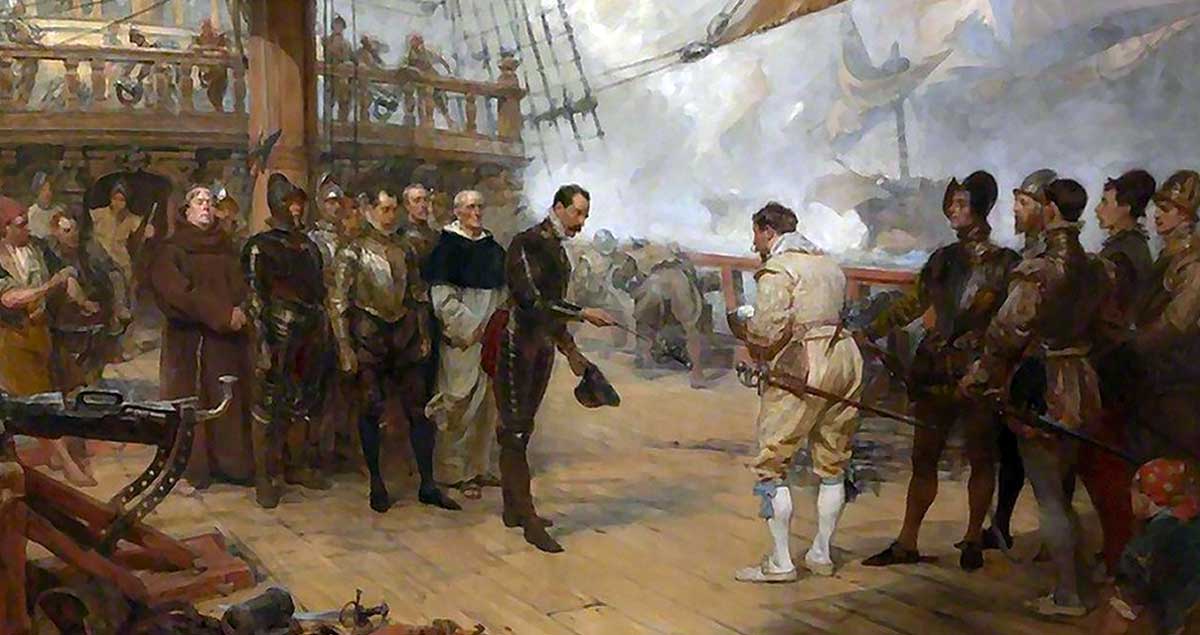
It is worth noting that Spain learned from the disaster of 1588. Less than a year later, its Navy annihilated the English Armada in which over 10,000 English men and about 40 English ships were either sunk, captured, or scuttled. It also invested much of its enormous treasure into naval modernization. Its 12 new, giant, heavily armed galleons became known as the Twelve Apostles and were the centerpieces of a new permanent, professional Atlantic battle fleet. The European nation also upgraded many of its Caribbean ports into state-of-the-art fortresses, including San Juan, Cartagena, and Havana. Escort fleets, moreover, streamlined the convoy process across the Atlantic Ocean. As a result, raiding Spanish treasure became far more difficult for English privateers.
The war between England and Spain continued on for another 16 years, widening into a vicious war of attrition fought in France, Ireland, and on the high seas that England could no longer economically sustain. Both Queen Elizabeth and King Philip II would die before a peace agreement could be reached.
Spain made peace with England in August 1604 when envoys representing King James I of England and King Philip III of Spain signed the Treaty of London. England promised under the treaty to end official military and financial aid to the Dutch rebels and cease interference with Spanish control of the Netherlands. English privateers would no longer attack Spanish ships at sea, and English ports would once again be open to Spanish trade. English citizens visiting Spanish territory were also given basic protections as long as they did not openly defy Catholic customs. Because of the treaty, Spain restored trade relations to their pre-war status.
Spain’s status as Europe’s preeminent military and imperial power remained intact for decades after the defeat of the Armada. Spanish supremacy in European wars and Atlantic trade would not begin to wane until the 1640s, with a series of revolts in Catalonia and Portugal, decisive defeats on the battlefield such as Rocroi, and general exhaustion following the Thirty Years’ War. Ultimately, the era of Spanish dominance came to an end less than a century after the defeat of the Spanish Armada. That said, it triggered a series of changes that shifted European power dynamics forever.