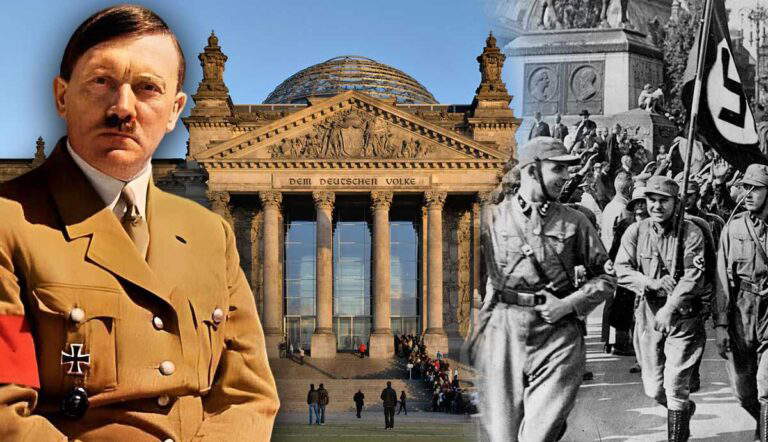
Adolf Hitler began his political career in 1919 and secured his first state office in 1933. He then became the dictator of the Third Reich.
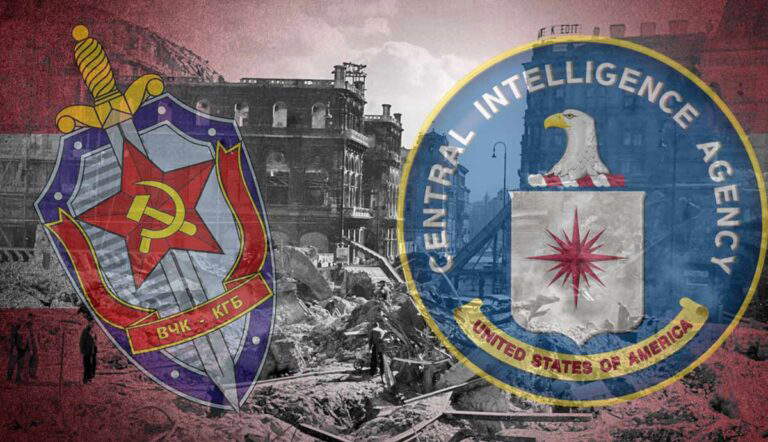
After the Second World War, Vienna was a divided city where the Western Allies and Soviets vied for influence.
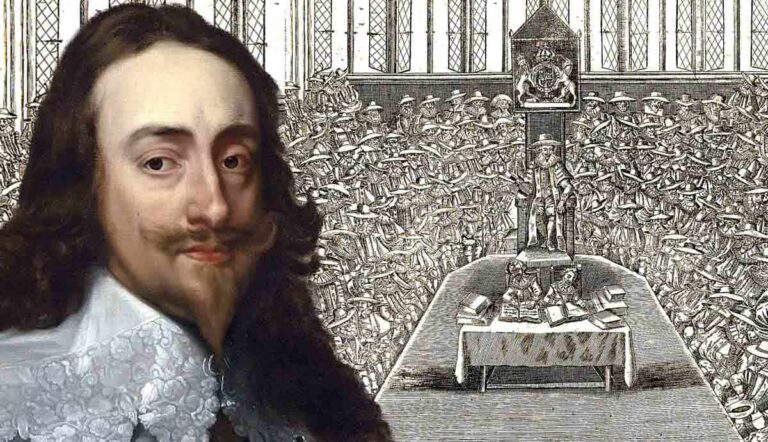
In the mid-1600s, irreconcilable differences between King Charles I and Parliament led to a bloody civil war and temporary removal of the English monarchy.
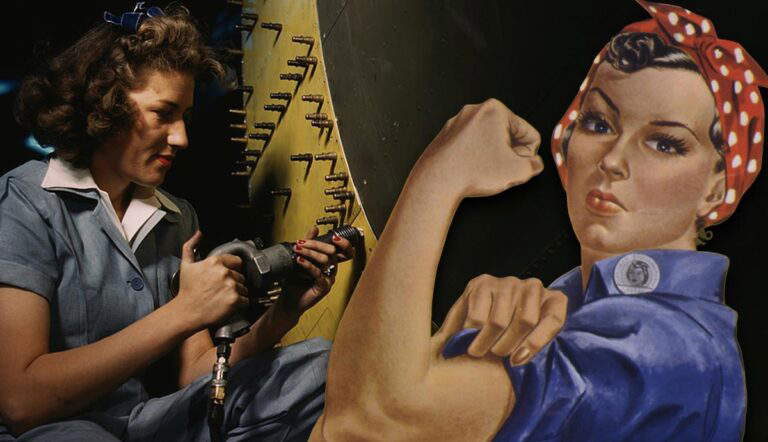
Rosie the Riveter is one of the enduring icons of the American war effort during World War II, inspiring millions of women to join the cause.
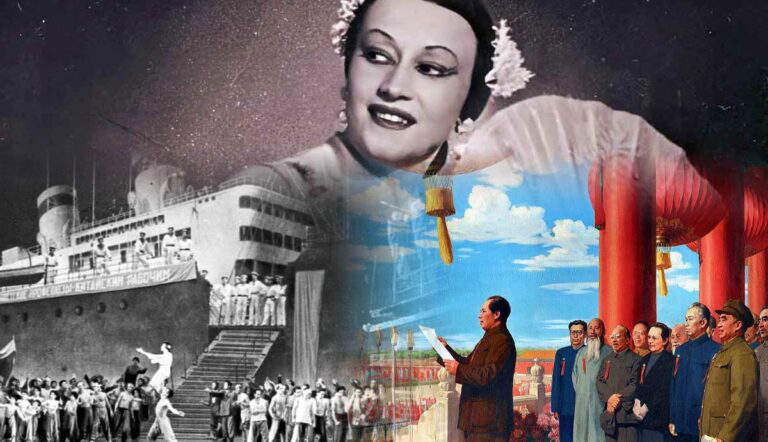
The Red Poppy was a Soviet ballet intending to showcase China's struggle against British imperialism. Instead, it caused a diplomatic rift in Sino-Soviet relations.
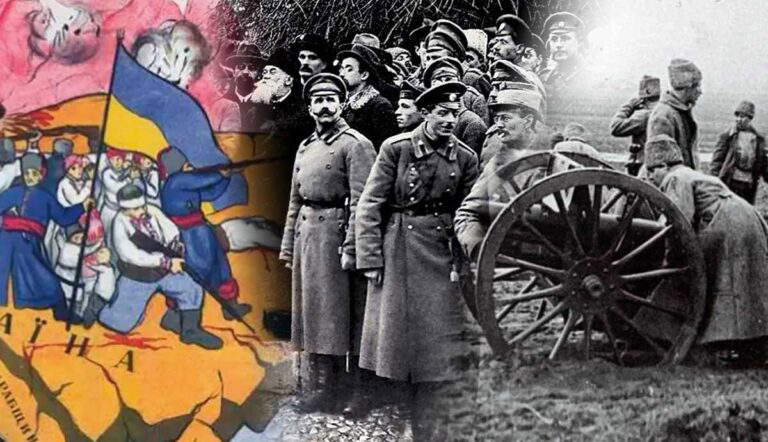
During 1917-1920, the Ukrainian People’s Republic laid the foundation for Ukrainian modern history as an independent state.
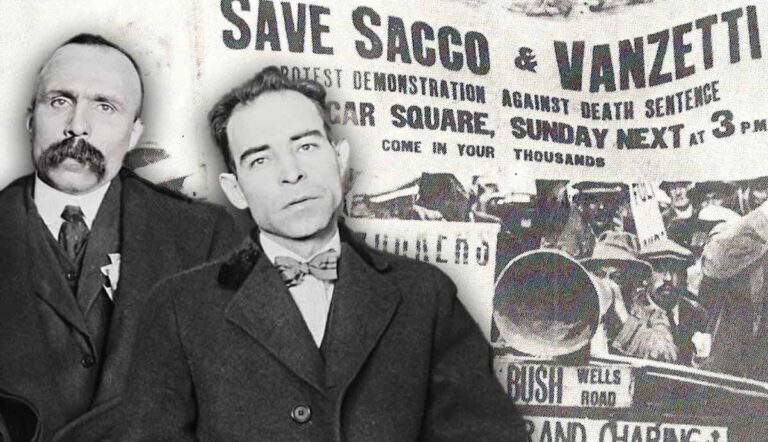
The Sacco & Vanzetti case (1920-1927), the world-famous trial of two Italian-born anarchists, divided America and exposed injustice in the country’s justice system.
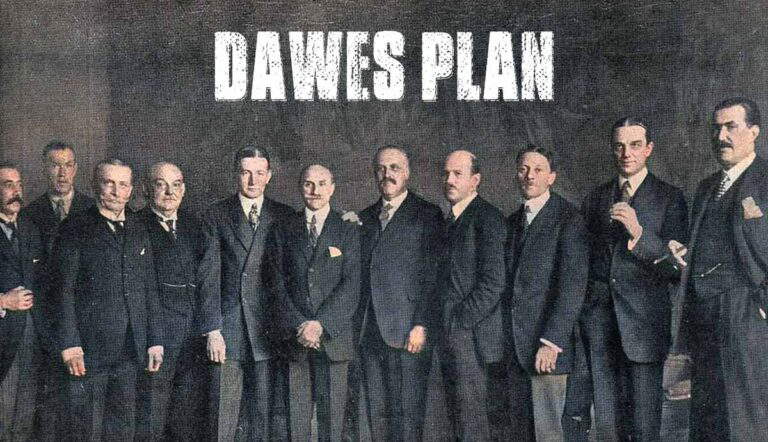
Would Germany’s inability to pay reparations after WWI lead to another war? Luckily, an American diplomat devised the Dawes Plan to temporarily ease tensions.